

OPINION: SALINA NEEDS MORE REINVESTMENT HOUSING INCENTIVE DISTRICT (RHID) HOMES
Jay Vanier
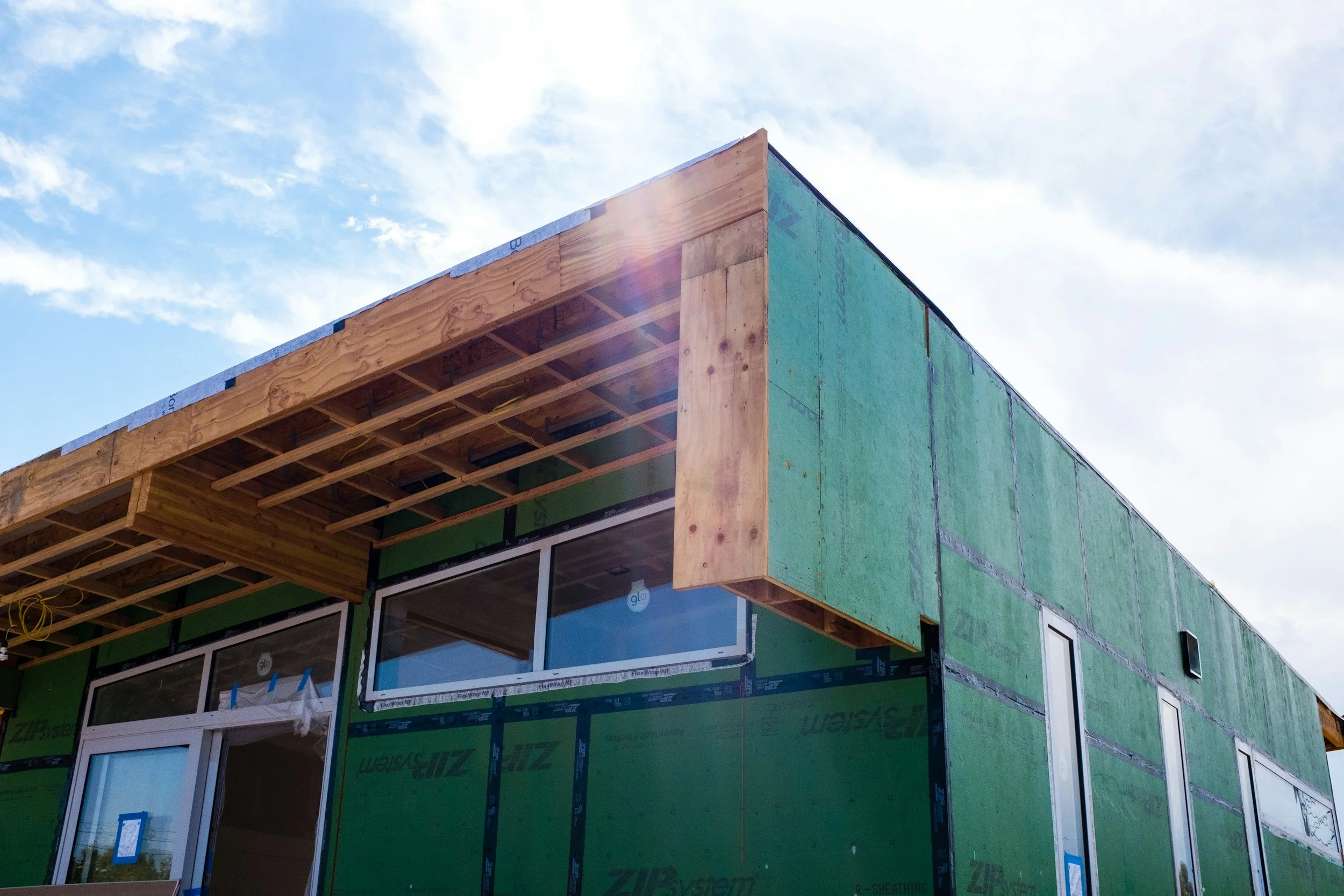
The Reinvestment Housing Incentive District, or RHID development tool is one of the best tools Kansas communities have to encourage new housing and reduce the upfront costs that often keep workforce housing projects from moving forward. In Salina, RHID has already proven its value as a practical, pro-growth tool that helps make housing development more feasible without simply shifting the burden onto existing taxpayers.
RHID is an important part of Salina’s housing strategy. Salina used RHID and Moderate Income Housing (MIH) for Southview Estates and Aero Plains Addition. The help bring down workforce-housing costs. That matters because one of the biggest challenges in housing today is not always the monthly payment. Often, it is the high cost of getting projects built in the first place. RHID helps close that gap.
Southview Estates used RHID to help with shared infrastructure costs, and the City Commission amended the RHID development agreement for Southview Estates, extending its milestone completion deadline to December 31, 2026. That shows RHID is not just a theory or a talking point. It is an active tool being used on real projects in Salina and Saline County.
More broadly, Salina’s housing incentive policy expressly includes RHID as one of the city’s housing tools and sets out the process for approving RHID development plans and agreements. The city’s economic development materials also list RHID as an available housing incentive. In other words, RHID has become part of the local toolbox because Salina recognizes that growth, housing availability, and long-term affordability all go together.
The virtue of RHID is simple: it helps communities support new housing by using the future increase in property tax value created by development to help cover eligible costs today, especially infrastructure and site-readiness expenses. That makes it easier to build the kinds of homes and neighborhoods Salina needs for working families, young professionals, and future residents. RHID is a smart way to support workforce housing, community growth, and tax-base expansion at the same time.